
– updated September 2026
Alongside the Augmented Hand Series, Alexius examines how a machine’s programmed interpretation of frequencies as tangible entities resembles the way our brains shape our experiences, turning nothing into something – a purely mental construct.
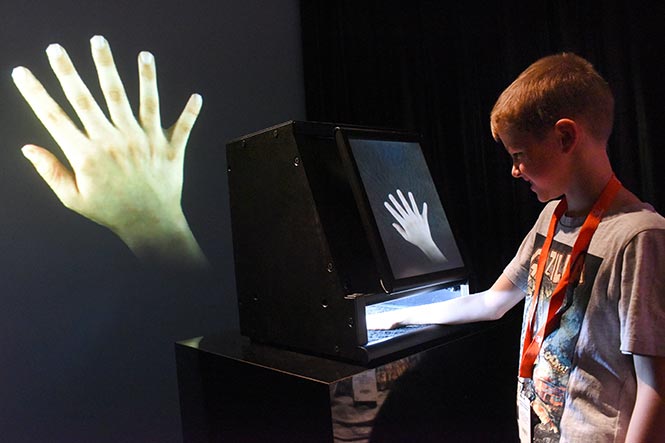
Duality Hack #3.4 from the free eBook Alexius’ Duality Hacks
There’s no world with more than One
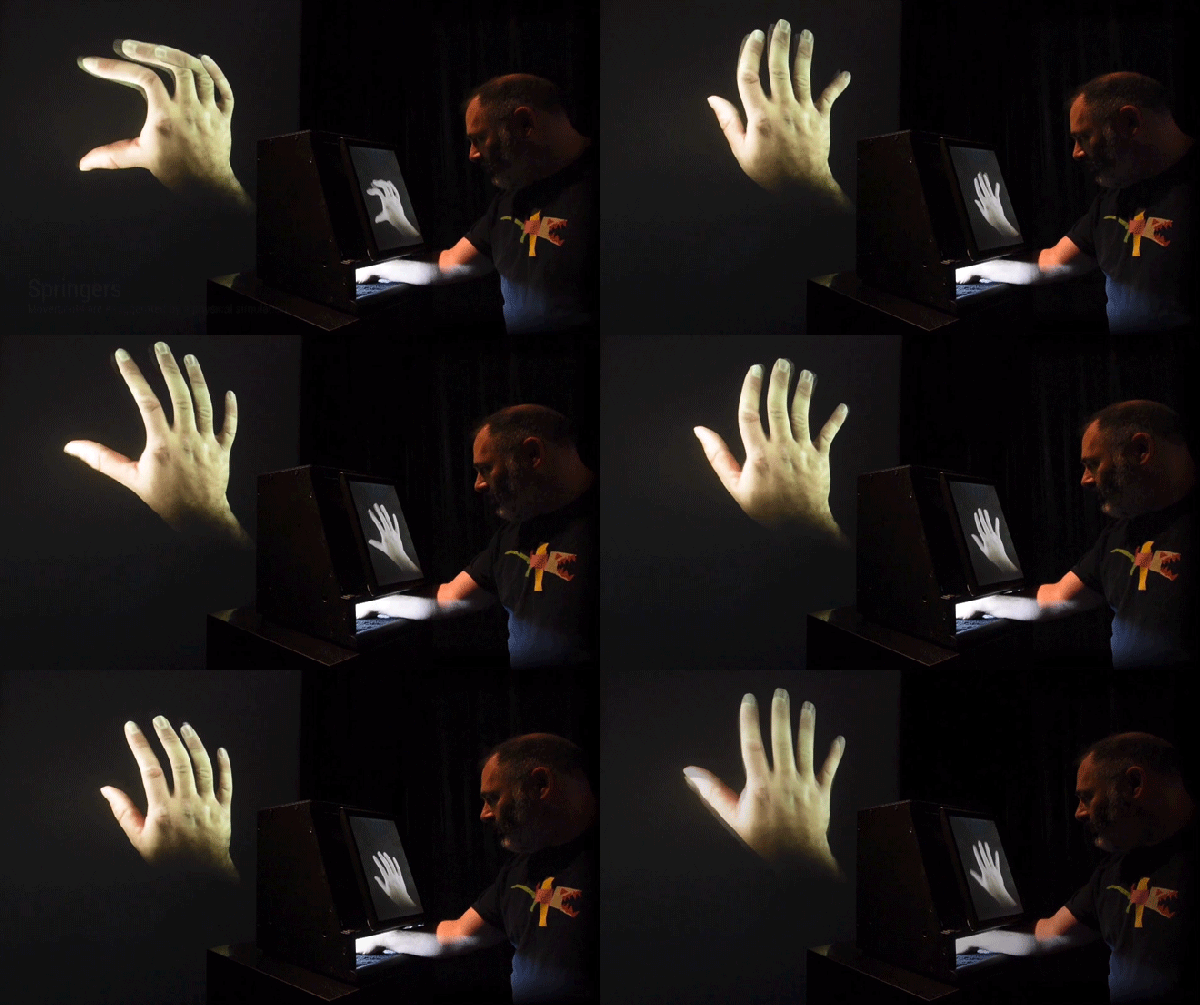
In the collage above and the animations below, someone places their hand in a small box. They can then see it only as a mirrored image on the screen above the box. However, an app distorts this display, making his fingers appear to extend and bend in impossible ways. Although the hand on the screen is separate from him, it feels like part of him.
This creates a disconnect between what he sees his hand doing on the screen and what he knows it’s doing in the box. He even checks inside the box, looking puzzled, to see whether the screen matches his real hand.
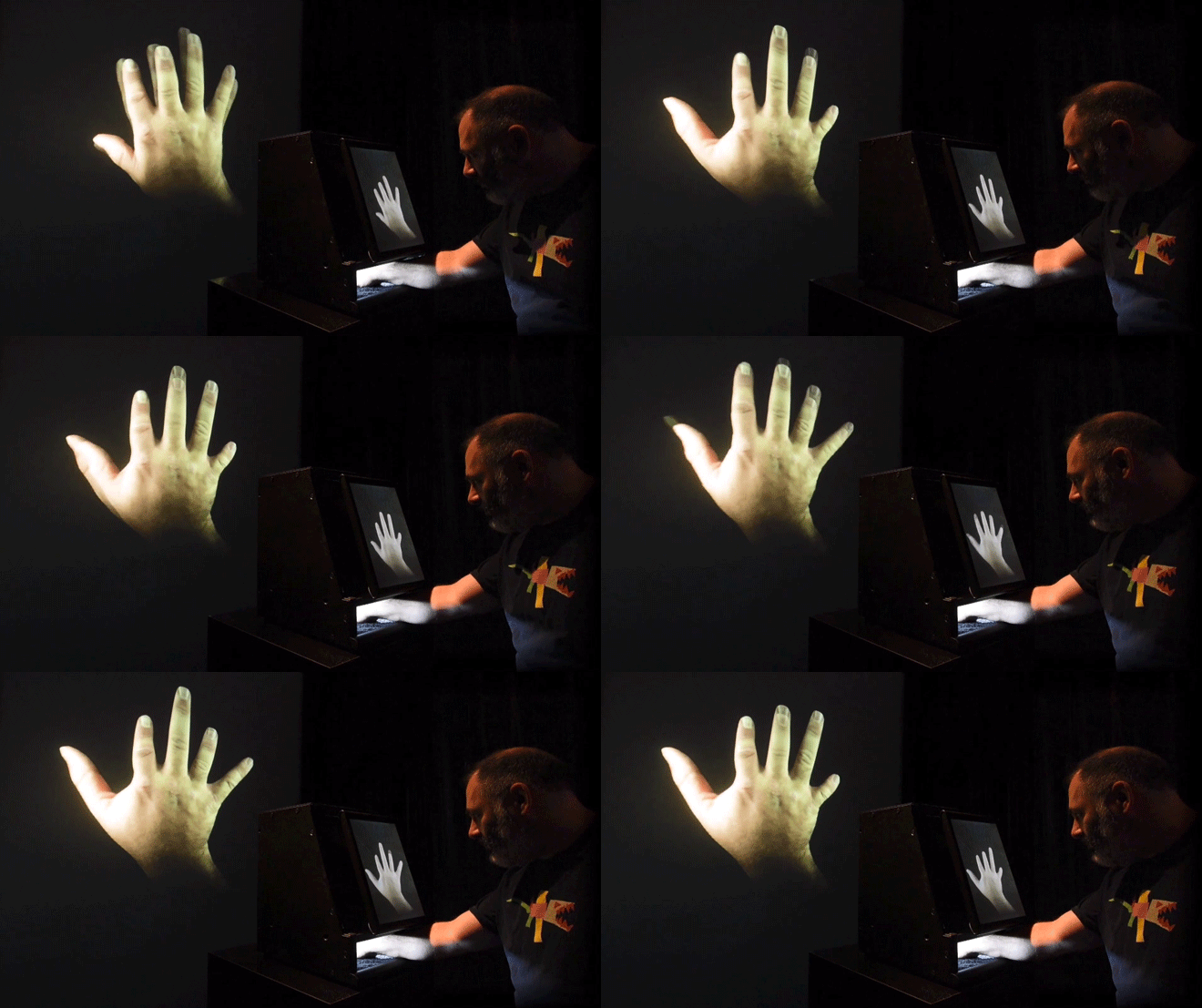
Similarly, it feels as if we’re in a world with more than one, because, metaphorically, we put Oneness in a small box, where an app called the brain distorts it to appear as a world with more than one. Since this is an illusion, returning to Oneness is not about leaving a world with more than one, but about phasing out the belief in separation. We can do that through interpreting every experience of more than one as a symbol of Oneness. By doing so, differences don’t seem to make a difference, so the belief in more than one fades out.
There is no self
The belief in individuality is like a machine believing it has a self and makes independent decisions. But a machine, even with artificial intelligence, has no self – it runs on preprogrammed associations. Likewise, no self makes decisions for us. We’re simply following the brain’s script.
If you’re visually minded, the following illustrations may give you an ‘Aha! Moment.’ They come from an article in Wired showing how a machine ‘sees’ the world by registering data or frequencies as programmed.
The machine is programmed to perceive this specific frequency point as cute. It then searches its database for an image to illustrate it.
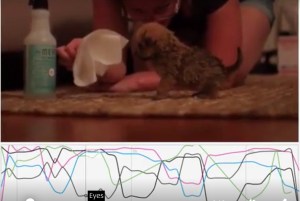
The machine translates another frequency point into eyes, enabling it to ‘see’ the cute image.
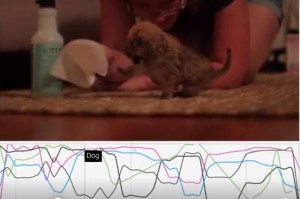
Based on past decisions, the machine concludes that the cute image it ‘sees’ is of a dog.

Another frequency point suggests a woman is present. The machine checks its database to determine whether she or the dog is cute, then retrieves the corresponding conceptualised feeling to symbolise cuteness.
The illustrations are from an article in Wired, but the captions are by Alexius.
Leave a Reply